Top Recommendations for Choosing the Best Balcony Power Plant Solutions to Maximize Energy Efficiency
Introduction to Balcony Power Plant Solutions
Balcony power plants, also known as balcony solar power systems, have become increasingly popular for urban dwellers looking to generate renewable energy without requiring large spaces. These compact photovoltaic (PV) solutions allow individuals to harness solar energy on balconies, terraces, or small outdoor areas, contributing to energy savings and sustainability. Understanding how to select the best balcony power plant solution is crucial for maximizing energy efficiency and return on investment.
Assessing Your Balcony Space and Orientation
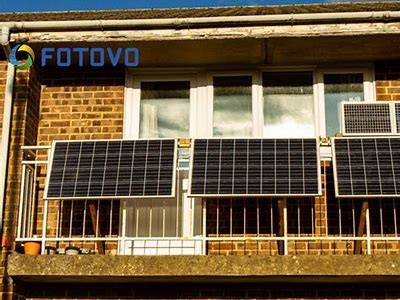
The first step in choosing the best balcony power plant is assessing your available space and its orientation. Balcony size and layout dictate the number and size of solar panels you can install, directly impacting the total power generation capacity. South-facing balconies generally receive more sunlight, making them ideal for solar panels. However, east or west-facing balconies can also be effective if shading is minimal and panel placement is optimized. Measuring the balcony's dimensions and identifying any potential obstructions such as adjacent buildings or trees will help in determining the best placement.
Understanding Power Output and Energy Needs
Before selecting a system, evaluate your household's typical electricity consumption to estimate the desired power output from the balcony power plant. Standard balcony solar kits typically range from 300 to 1500 watts. Matching your system output to your energy needs helps ensure maximum utilization without overspending on unnecessary capacity. Remember that while balcony power plants won't power an entire household, they can significantly offset electricity costs by supplying energy for specific applications or appliances.
Types of Balcony Solar Power Solutions
There are primarily three types of balcony solar solutions to consider:

- Plug-and-Play Solar Kits: These are user-friendly kits designed for easy installation without requiring professional assistance or complex electrical work. They typically come with a solar panel, inverter, mounting hardware, and plug-in connectors.
- Grid-Tied Systems: These balcony power plants are connected directly to the home’s electrical grid. Surplus electricity generated can be fed back into the grid, often enabling net metering credit benefits.
- Hybrid Systems: Combining grid-tied functionality with battery storage, hybrid systems allow for energy usage during grid outages and enable storing excess solar energy for use at night or on cloudy days.
Choosing the right type depends on your budget, technical comfort level, and energy goals.
Selecting High-Efficiency Solar Panels
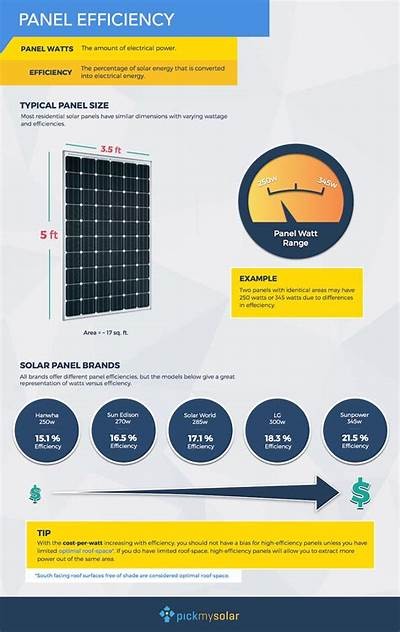
The efficiency and quality of solar panels greatly impact overall system performance. Monocrystalline panels generally offer higher efficiency and better space utilization compared to polycrystalline panels. Given the limited balcony space, selecting high-performance panels ensures more power generation per square meter. Additionally, consider panels with durable construction and weather resistance to withstand outdoor exposure. Certifications and warranties also indicate product reliability.
Choosing an Appropriate Inverter
The inverter converts DC electricity generated by solar panels into usable AC electricity for household use. For balcony solar systems, micro-inverters or plug-in inverters are commonly employed due to their compact size and ease of installation. Ensure that the inverter capacity matches or slightly exceeds the panel output for optimal performance. Smart inverters with monitoring capabilities can provide real-time data on energy production and system health, helping optimize energy management.
Optimizing Mounting and Installation Methods
Proper mounting ensures solar panels are securely attached and positioned for maximum sunlight exposure. Balcony solar systems often use lightweight, adjustable mounting brackets that can be fixed to railing or walls without structural modifications. Adjustable tilt mechanisms enable optimization according to seasonal sun angle changes. Moreover, professional installation or detailed instructions can prevent errors that reduce system efficiency and longevity.
Evaluating Price and Return on Investment
While initial costs vary depending on system size and components, it is essential to consider the long-term financial benefits. Calculate potential savings by estimating the amount of electricity the system can generate annually, accounting for local solar irradiance and shading factors. Incentives, subsidies, or tax credits available in your region can lower upfront costs and improve ROI. Balancing quality, efficiency, and price ensures that you maximize value from your balcony power plant investment.
Maintenance and Durability Considerations
Regular maintenance such as cleaning panels to remove dust and debris is vital for optimal performance. Selecting systems with reliable warranties and minimal maintenance requirements reduces downtime and hassle. Components designed to withstand adverse weather conditions like rain, wind, and temperature fluctuations ensure longevity of your balcony power plant.
Integrating Smart Energy Management Systems
Modern balcony power plants increasingly include smart energy management capabilities. Integration with home automation or energy monitoring platforms allows users to track energy production and consumption, identify inefficiencies, and adjust usage patterns accordingly. Some systems support smartphone apps with alerts and insights, empowering users to maximize energy savings.
Legal and Regulatory Compliance
Before installation, verify local building codes, homeowner association rules, and utility regulations regarding balcony solar installations. Compliance ensures that your system operates legally and avoids potential fines or forced removal. In some regions, approvals or permits might be necessary for grid-tied or hybrid systems. Awareness and adherence to regulations safeguard your investment.
Conclusion: Making the Right Choice for Maximum Efficiency
Choosing the best balcony power plant solution requires a thorough evaluation of space, energy needs, system type, and component quality. By selecting high-efficiency panels, appropriate inverters, and smart installation methods, users can maximize energy generation within limited balcony spaces. Additionally, considering maintenance, cost, and legal compliance ensures long-term satisfaction and sustainability. With the right planning, balcony solar power plants provide an excellent opportunity to contribute to renewable energy goals while reducing electricity bills.
Future Trends and Innovations in Balcony Solar Power
As technology advances, balcony power plants will become more efficient, compact, and integrated with smart city infrastructure. Emerging developments such as bifacial solar panels, flexible PV materials, and enhanced energy storage solutions will expand possibilities for urban renewable energy. Staying informed about these innovations allows consumers to upgrade and optimize their systems over time.