When entering into a contract with a service provider such as Interwetten, it is essential to adhere to the terms agreed upon. A breach of contract occurs when one party fails to fulfill its obligations as stated in the agreement. Understanding the specific terms of your contract and what constitutes a breach is crucial in preparing for legal action.

The first step in filing a lawsuit is to gather all relevant evidence that supports your claim. This includes the original contract, correspondence between you and Interwetten, transaction records, and any documentation that demonstrates the breach. Having a comprehensive file of evidence will bolster your case during litigation.

Before proceeding, it is important to familiarize yourself with legal terms relevant to contract law. Terms such as 'plaintiff,' 'defendant,' 'damages,' and 'settlement' are essential to understand as they relate to your lawsuit process. Additionally, knowing the difference between breach of contract and other types of breaches can be beneficial.

Identifying the correct jurisdiction to file your lawsuit is a critical step. Jurisdiction refers to the authority of a court to hear a case. Depending on the terms of your contract and where the breach occurred, you may be required to file in a specific location. Researching local laws and regulations regarding contract disputes is vital.

Engaging with a legal expert who specializes in contract law can be immensely beneficial. A lawyer can provide guidance on the merits of your case, assist in gathering evidence, and help you understand the potential outcomes. Additionally, a legal expert can represent you in court and negotiate on your behalf.
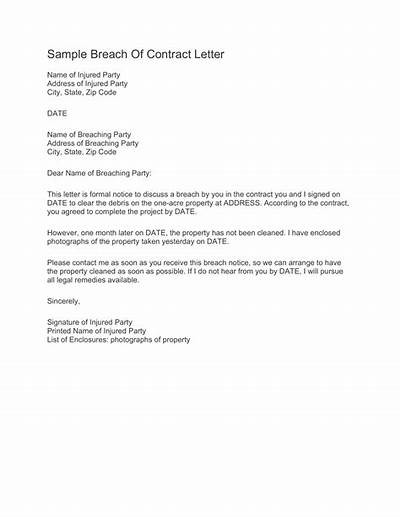
Once you have gathered your evidence and consulted with a lawyer, the next step is to prepare your lawsuit. This involves drafting a complaint that outlines your claims against Interwetten, specifying the breach and the damages suffered. The complaint must be filed with the appropriate court, along with any required filing fees. Filing the Lawsuit
After the complaint is prepared, it needs to be formally filed in court. This process includes submitting the necessary paperwork and ensuring that you adhere to all local procedural rules. Once filed, you must serve Interwetten with a copy of the lawsuit, ensuring they are officially notified of the legal action. Responding to the Defendant
Once Interwetten receives the lawsuit, they will have a specified period to respond. They may choose to admit or deny the claims, or file a motion to dismiss the case. Understanding how to respond to their actions is vital, as it can impact the direction of the lawsuit. Discovery Phase
The discovery phase is when both parties exchange evidence and information relevant to the case. This includes depositions, interrogatories, and requests for documents. Effectively managing this phase can greatly influence the outcome of the lawsuit, so thorough preparation and organization are key. Negotiation and Settlement
Before the case goes to trial, there may be opportunities for negotiation or settlement. Many parties choose to settle to avoid the costs and uncertainties of a trial. Be open to discussions but ensure any agreement reached is in your best interest. Legal counsel can help negotiate terms that are favorable for you. Going to Trial
If a settlement cannot be reached, the case may proceed to trial. During the trial, both parties will present evidence and arguments to the judge or jury. Understanding courtroom procedures and being well-prepared can significantly impact the effectiveness of your presentation. Post-Trial Motions and Appeals
After the trial, either party may file post-trial motions or appeals. If you win, you may seek to collect damages awarded. If you lose, you have the right to appeal if you believe there were legal errors during the trial. Understanding the post-trial process is crucial for ensuring you take the appropriate next steps. Conclusion
Filing a lawsuit against Interwetten for breach of contract is a multifaceted process that requires careful preparation and understanding of legal principles. From gathering evidence to navigating court procedures, being informed is key. Consulting with legal professionals and being prepared for each step can significantly enhance your chances of success in your lawsuit.