A Complete Overview of the Interwetten Logo Design History and Brand Identity Elements
Introduction to Interwetten and Its Brand Evolution
Interwetten, a renowned name in the online betting and gaming industry, has established a robust brand identity through years of strategic design evolution. Founded in 1990, Interwetten has consistently adapted its visual presentation to keep pace with changing market trends and consumer expectations. The company’s logo and brand identity play a crucial role in communicating its values of trust, innovation, and reliability to a global audience.
The Origins of the Interwetten Logo
The initial Interwetten logo was introduced in the early 1990s, reflecting the design aesthetics of that era. This original logo featured a simple wordmark with a modest font that conveyed professionalism and stability. The color scheme was primarily black and white, emphasizing clarity and seriousness suitable for a betting company starting in a competitive environment.

During this period, the focus was predominantly on establishing brand recognition among European markets. The straightforward design approach was effective for print and early digital platforms, ensuring easy readability and immediate brand association.
First Major Redesign: Incorporating Dynamism
As the internet began to revolutionize betting and gaming, Interwetten undertook its first major logo redesign in the early 2000s. This redesign incorporated a more dynamic font style with slight italics, symbolizing movement and progress. Additionally, the company introduced vibrant green as a key color element, representing growth, luck, and prosperity – attributes deeply connected with the betting industry.
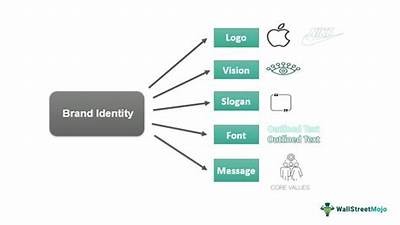
This phase of logo evolution also included the introduction of a subtle graphic element – a stylized “W” that added uniqueness and helped differentiate Interwetten in an increasingly crowded marketplace. This move signaled the company’s commitment to innovation and its ambition to expand its global footprint.

Modernization and Digital Adaptation
In the 2010s, with mobile and digital platforms dominating the landscape, Interwetten revamped its logo to align with contemporary design trends. The font was further streamlined to a sans-serif typeface, facilitating legibility on various digital devices from smartphones to large desktop screens. The green color palette was refined to a brighter, more refreshing shade, enhancing the logo’s vibrancy.
Moreover, the graphic element evolved into a more abstract form, becoming a recognizable icon that could be used independently across apps, social media, and advertising. This abstraction gave the brand greater flexibility, promoting easy recall and consistent brand visibility.
Brand Identity Elements Beyond the Logo
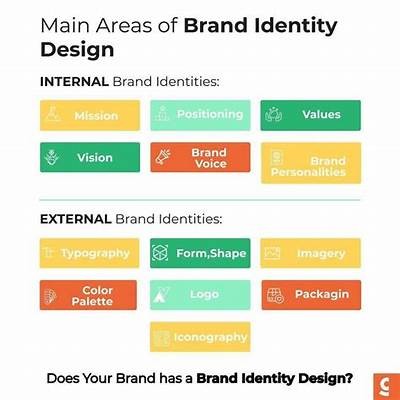
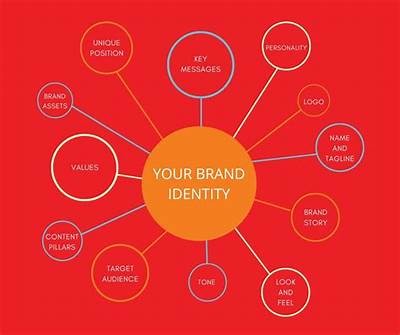
Interwetten’s brand identity is not solely defined by its logo. The company developed a comprehensive set of visual elements that communicate its brand values cohesively. These include typography choices that combine modern sans-serif fonts with clean, geometric lines to suggest professionalism and simplicity.
Color theory plays a significant role in the overall brand strategy. Besides the dominant green, Interwetten integrates black and white for contrast and balance, ensuring the brand maintains a strong presence across various media. Accent colors occasionally appear in marketing campaigns, but always in harmony with the core palette to reinforce brand consistency.
Typography and Visual Language
Typography within the Interwetten brand identity focuses on clarity and modern aesthetics. The official typefaces are designed to deliver maximum legibility, crucial for communication in fast-paced digital environments where users interact with the brand across betting interfaces, promotional content, and customer service platforms.
Visual language extends beyond fonts and color. Interwetten incorporates iconography and graphical patterns that reflect its dynamic yet reliable nature. These subtle design cues contribute to a cohesive user experience that strengthens brand recognition and customer trust.
Logo Usage Guidelines and Brand Consistency
To maintain consistency, Interwetten has strict guidelines regarding logo usage. These guidelines specify minimum sizes, spacing, and acceptable color variations to ensure the logo performs well in both print and digital formats. The brand mandates clear space around the logo to prevent visual clutter and protect its integrity.
Alternate logo versions are provided for use on dark backgrounds or when limited color printing is necessary. Such attention to detail in brand guidelines reflects Interwetten’s professional approach to maintaining a unified and recognizable identity across all touchpoints.
The Impact of Interwetten’s Brand Identity on Market Positioning
Interwetten’s thoughtfully crafted brand identity has significantly contributed to its positioning as a trustworthy and innovative betting platform. The consistent evolution of its logo design mirrors the company’s responsiveness to market shifts and consumer preferences.
This strong visual identity enhances brand equity, facilitates memorability, and fosters customer loyalty in an industry where trust and recognition are paramount. Interwetten’s design history exemplifies how effective branding can underpin long-term business success.
Conclusion: The Future of Interwetten’s Brand Identity
Looking ahead, Interwetten continues to invest in its brand identity, embracing emerging design trends such as minimalism and responsive design to stay relevant in the digital era. The company’s commitment to maintaining a cohesive and adaptive visual language ensures that it will remain a leading name in the global betting market.
As technology advances and consumer expectations evolve, Interwetten’s logo and brand elements will undoubtedly continue to reflect innovation, trustworthiness, and user-centric values, reinforcing its market leadership for years to come.